



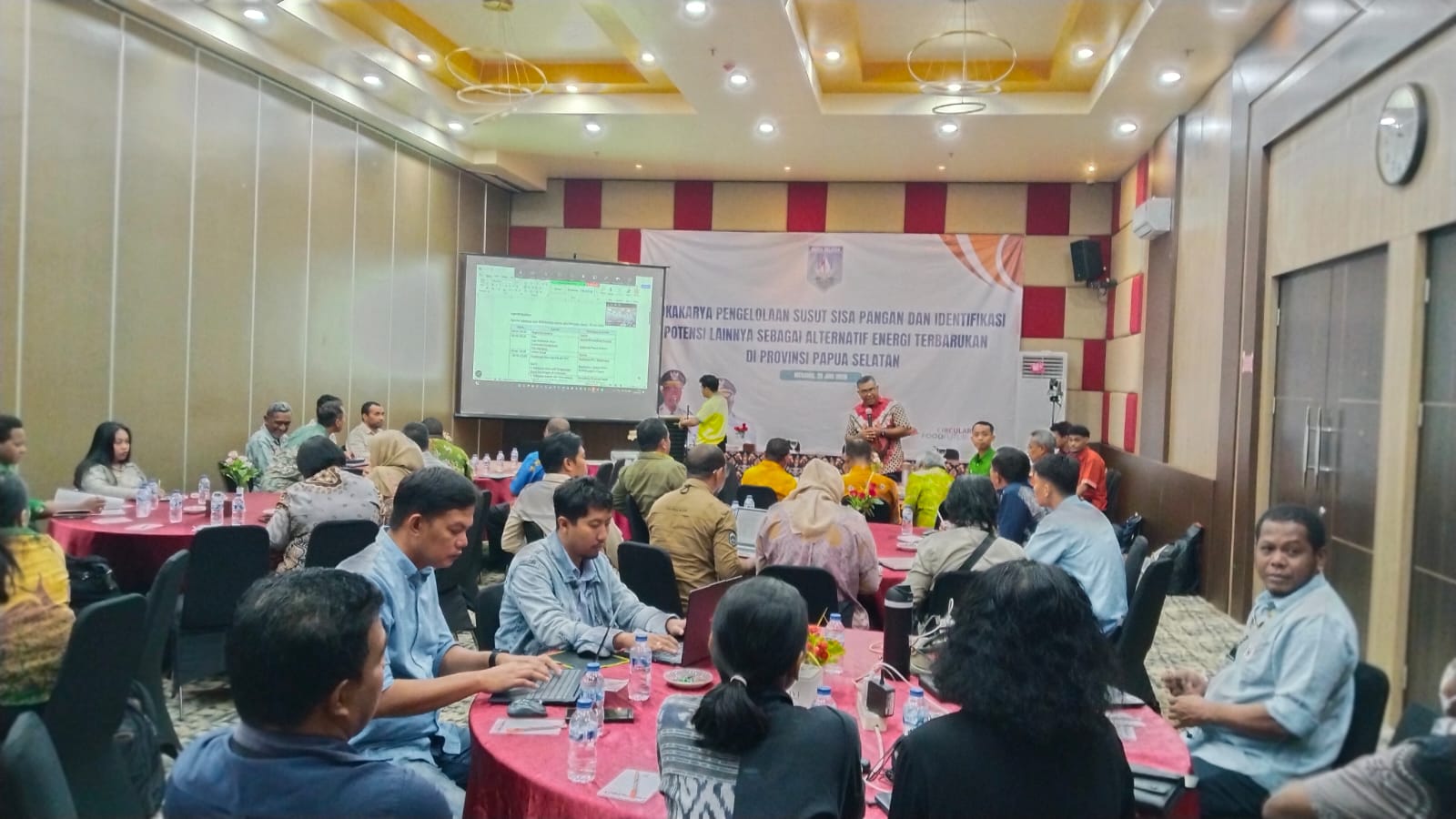
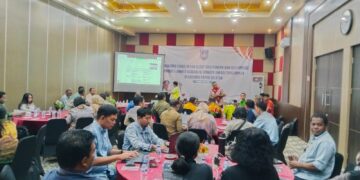
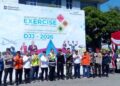
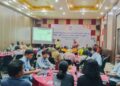
Merauke, Jubi – The Papua Program of the World Wide Fund for Nature (WWF) Indonesia, an international conservation initiative, collaborated with the South Papua Provincial Government and MEDCO Energi to hold an exploratory workshop on organic waste management in Merauke Regency on Thursday (June 25, 2026).
The workshop brought together a wide range of stakeholders, including representatives from central and regional governments, the private sector, academia, non-governmental organizations, schools, and the energy sector, to discuss opportunities for utilizing organic waste as a source of renewable energy.
The event was organized amid Indonesia’s persistently high levels of food loss and waste.
To date, most organic waste, including food scraps, continues to be disposed of in landfills, generating methane emissions that contribute to climate change.
In fact, organic waste has significant potential to be processed into alternative energy sources such as biogas. Proper waste management is considered capable not only of reducing greenhouse gas emissions but also of creating economic value and strengthening community energy security.
WWF Indonesia Papua Program Waste Management Specialist Dony Kristiawan said that food loss and waste is not merely a waste management issue but is also closely linked to environmental sustainability, economic development, and energy security.
“Besides reducing emissions and slowing climate change, proper management of food waste also creates tangible economic opportunities and produces sustainable alternative energy sources,” Kristiawan said.
According to him, South Papua has strong potential to develop renewable energy from organic waste.

However, realizing that potential will require support and collaboration from multiple stakeholders to ensure that solutions are adapted to local conditions and community needs.
The workshop also formed part of broader efforts to promote waste management based on the 3R principles—reduce, reuse, and recycle—as well as support national emissions reduction targets in the waste sector.
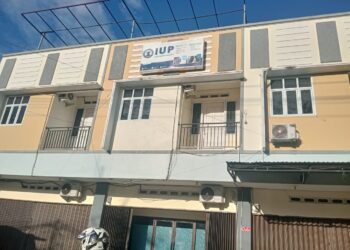
During the event, WWF Indonesia Papua Program and several stakeholders introduced an initiative to manage food loss and waste through the Independent Power Producer (IPP) POME assistance framework.
The initiative creates opportunities to apply technologies that convert organic waste into alternative energy sources that can benefit local communities.
Workshop participants represented a variety of institutions, including the Ministry of Environment, the Papua Region III Environmental Control Center, the South Papua Provincial Government, the regency governments of Merauke, Mappi, Boven Digoel, and Asmat, oil palm plantation companies, waste management businesses, representatives of Adiwiyata schools, local NGOs, and environmental advocates.
In addition to building a shared understanding of the potential of organic waste management, the workshop served as a discussion forum to identify priority areas, assess technology options suited to the characteristics of South Papua, and formulate recommendations for local governments and development partners.
Through this multi-stakeholder collaboration, participants are expected to build a shared commitment to developing a low-emission and sustainable organic waste management system in South Papua.
The initiative is expected not only to support emissions reduction targets but also to create opportunities for renewable energy development and strengthen community resilience in responding to the impacts of climate change. (*)


Discussion about this post