




Jayapura, Jubi – The National Commission on Human Rights of the Republic of Indonesia (Komnas HAM RI) stated that the government is obligated to protect freedom of expression, artistic freedom, and cultural rights.
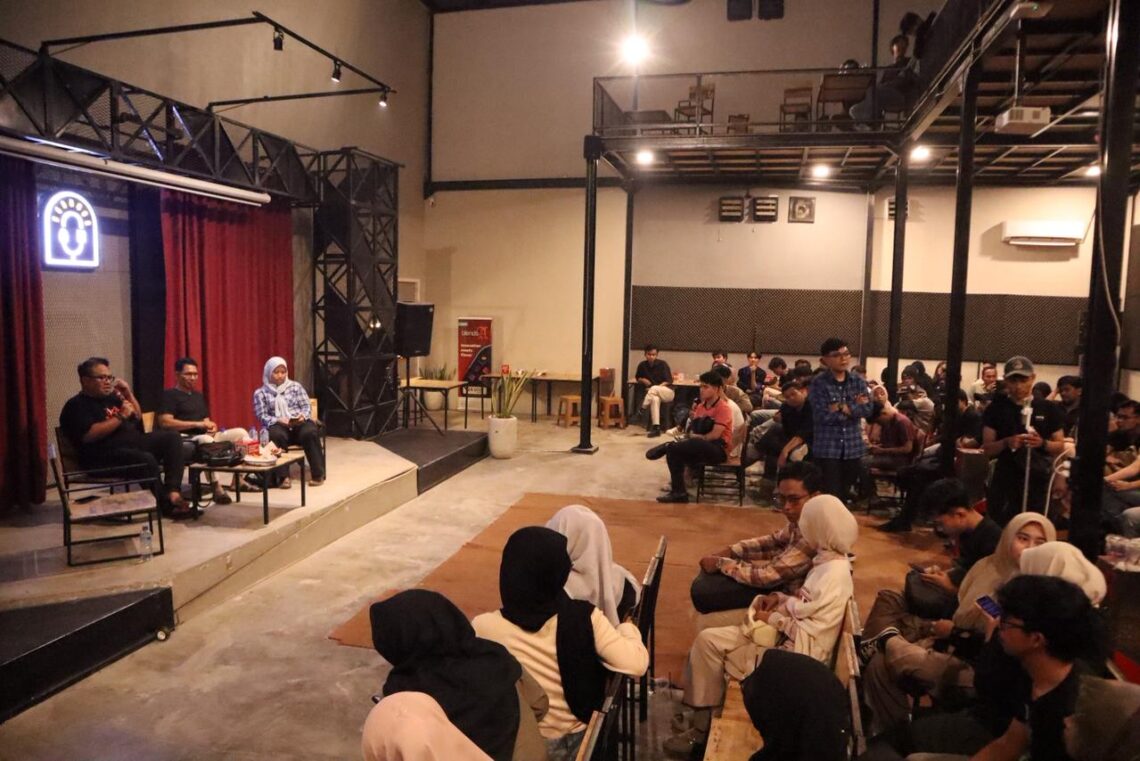
The statement was issued in response to recent controversies surrounding the banning and/or forced disbandment of screenings of the documentary film Pesta Babi in several regions across Indonesia.
“The National Commission on Human Rights of the Republic of Indonesia expresses concern over intimidation, bans, and/or the forced disbandment of screenings of the film Pesta Babi in several regions of Indonesia,” Komnas HAM RI said in a press release issued on Wednesday (May 13, 2026).
According to Komnas HAM, the Indonesian Constitution guarantees every individual the freedom to express opinions and attitudes, access information, and develop themselves through science, arts, and culture, as stipulated in Articles 28E paragraphs (2) and (3), Article 28F, and Article 28C paragraph (1) of the 1945 Constitution.
From a human rights perspective, film is regarded as a form of artistic expression, freedom of expression, and cultural rights protected under both the Constitution and international human rights instruments ratified by Indonesia, including the International Covenant on Civil and Political Rights through Law No. 12/2005 and the International Covenant on Economic, Social and Cultural Rights through Law No. 11/2005.
Komnas HAM emphasized that any restriction on freedom of expression and cultural activities must be carried out strictly, proportionally, and based on law, and may only be justified for legitimate purposes as regulated under Article 28J of the 1945 Constitution and international human rights principles.
“Restrictions must not be imposed arbitrarily through intimidation, pressure from authorities and/or mass groups, or vigilante actions that threaten citizens’ constitutional rights,” the commission stated.
Komnas HAM further stressed that differing views toward a work of art or film should be addressed through dialogue, criticism, public discussion, and democratic legal mechanisms, rather than unilateral bans or forced dispersal.
The commission added that the state, including regional government officials and security forces, has an obligation to ensure safety for event organizers, filmmakers, audiences, and other community groups so they may exercise their rights peacefully.
Komnas HAM also urged the central and regional governments to guarantee respect for and protection of freedom of expression, artistic freedom, and cultural rights in accordance with constitutional mandates and human rights standards.
The commission called on security forces to act professionally and neutrally while ensuring the safety of all peaceful public activities conducted in accordance with the law.
It also reminded all elements of society to prioritize tolerance, dialogue, and respect for differing views in democratic life, and to resolve objections to artistic works through constitutional legal mechanisms rather than threats, intimidation, or violence.
Indonesia, is a democratic state governed by the rule of law that upholds the respect, protection, and fulfillment of human rights, Komnas HAM noted. Article 28I paragraph (4) of the 1945 Constitution affirms that the protection, promotion, enforcement, and fulfillment of human rights are the responsibility of the state, particularly the government. (*)












Discussion about this post