





Jayapura, Jubi – West Java Governor Dedi Mulyadi emphasized the importance of development in Papua being grounded in culture, nature, and the local wisdom of Indigenous Papuan communities.
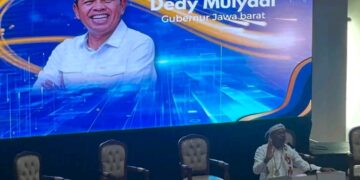
Dedi made the statement while attending the 2026 Strategic Papua Analysis Conference (APS) III in Jayapura City, Papua, on Friday (29/5/2026).
At the conference, themed “Papuan Development Innovation Based on Ethnoscience: A Comprehensive Analysis of the Discourse, Actors, and Future of Papua’s Development within the Framework of Local Wisdom,” Dedi Mulyadi attended alongside five regents and one mayor from West Java.
In his presentation, Dedi stressed that development in Papua must not erase the identity of Indigenous Papuans or damage the harmonious relationship between humans and nature.
“Papua is Indonesia’s last paradise. Development must not turn Papuans into strangers in their own land,” Dedi Mulyadi said.
He said development planning in Papua should preserve distinctive local architectural styles, prioritize the use of natural materials, and strengthen Indigenous community economies so they are not left behind amid the influx of modern investment.
According to him, a culture-based development approach is essential to ensure economic progress does not marginalize Indigenous Papuans as the rightful custodians of the land and living space.
In addition to discussing economic and social development, the APS III 2026 Conference also served as a strategic dialogue forum on the implementation of Special Autonomy, the creation of New Autonomous Regions (DOB), and the development of Papuan human resources based on anthropology, sociology, theology, and ethnoscience.

After attending the conference, Dedi Mulyadi toured booths selling Papuan souvenirs operated by Papuan women vendors and Papuan youth entrepreneurs at the Papua Youth Kreatif area in Abepura District, Jayapura City, where the conference was held.
He purchased various Papuan handicrafts, including noken bags, carved statues, tifa drums, books, Papuan batik fabrics, and bark wallets.
Dedi’s visit to the Papuan Micro, Small, and Medium Enterprises (MSME) booths was warmly welcomed by the vendors. One Papuan accessories seller, Mama Tresya Ramela, expressed happiness that her products attracted attention and were purchased.
“We are very grateful that he stopped by. Even though our products were not displayed on the table, he still noticed them. Thank you very much for buying our accessories,” Tresya said.
She expressed hope that businesses operated by Papuan women would continue receiving support so that local handicraft products could become more widely recognized and sell better.
Treasurer of the Onomi Inspire Papua Global Foundation, Andriana Agavitas Pincesiam, also conveyed appreciation for Dedi Mulyadi’s visit to the MSME booths supported by their foundation.
According to Andriana, the foundation currently assists at least eight Papuan MSMEs producing traditional carvings, tifa drums, Papuan batik fabrics, and various other local handicrafts.
“We are very happy because you bought our products,” she said.
She hoped that in the future organizers could provide dedicated time for guests to explore Papuan MSME products more freely without being crowded by accompanying entourages.
“Sometimes only the larger products are noticed, while smaller items are overlooked because too many people surround the guests,” she said. (*)













Discussion about this post